
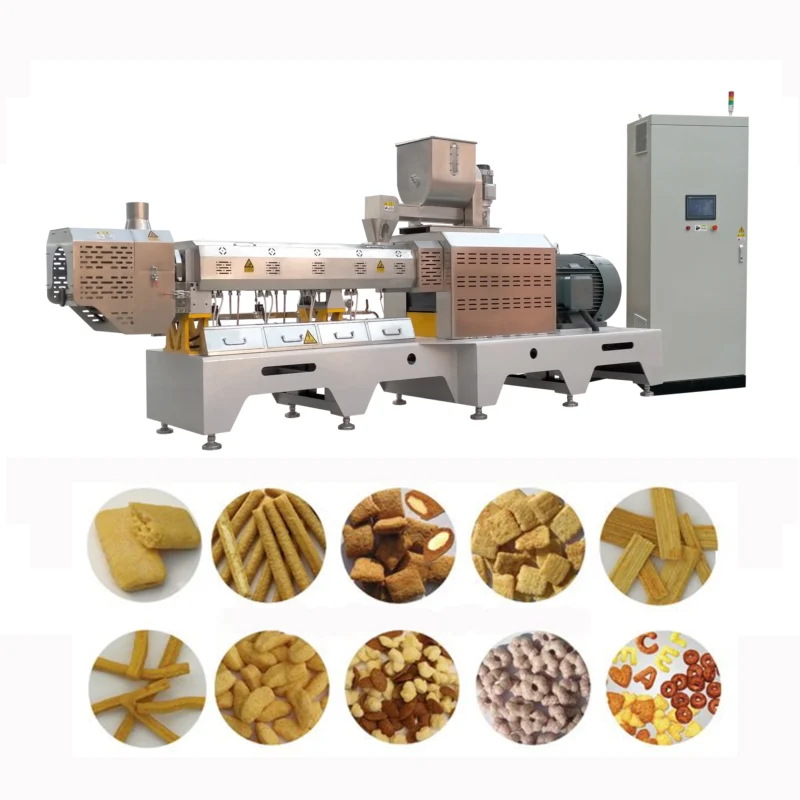

Multifunctional Snacks and Cereals Production Line
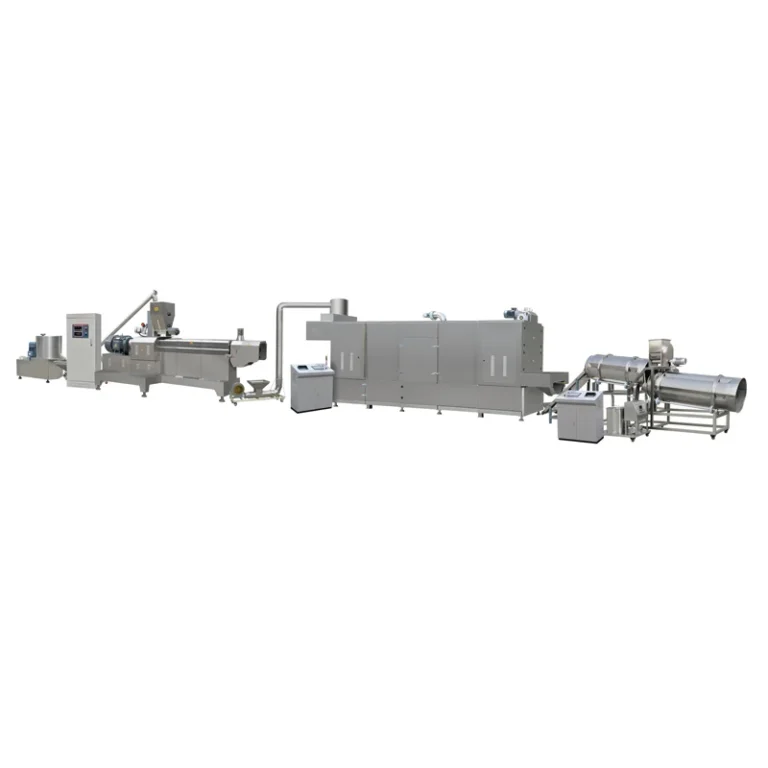
Multifunctional Snacks and Cereals Production Line — twin-screw extrusion for corn puffs and breakfast cereals using corn grits, rice, and wheat flour.
- The mixer ensures equal blending before the twin-screw extruder processes your recipes.
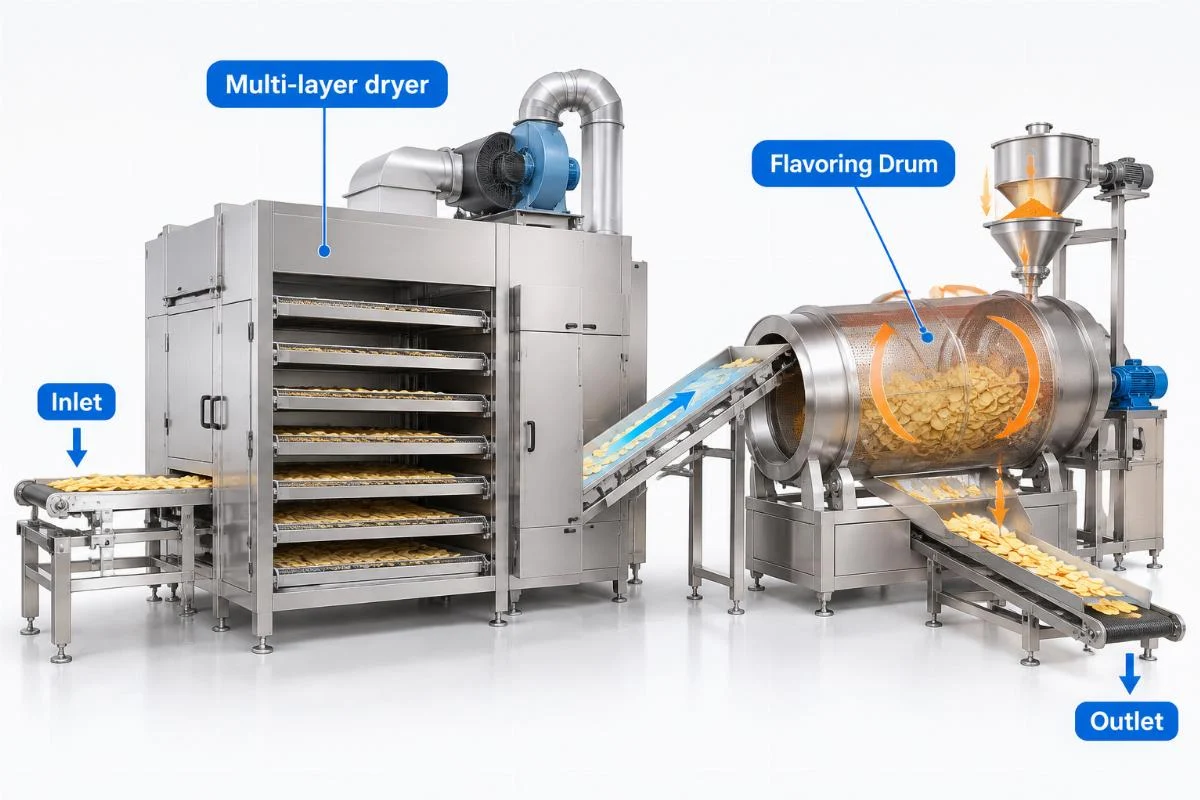
- A multi-layer dryer removes moisture, while the flavoring drum applies uniform seasoning.
- Visit our factory to run trials with your own raw materials.
-
Stock and custom lead timesCommon standard models ship within 10 days. Custom configurations take 30–50 working days.
-
Full-line test run before shipmentEvery line runs at our factory before it leaves. Third-party inspection can be arranged.
-
CE certified, customs-readyCE to Machinery Directive 2006/42/EC. Shipped with CE certificate, packing list, invoice and customs documents.
-
Engineers on siteOur engineers install and commission the equipment in your plant and train your operators.
Product Details
How Multifunctional Snacks and Cereals Production Line Works in Your Plant
Jinan MT Machinery builds this equipment in its own factory in Shandong, China, with in-house CNC machining, welding, assembly and painting lines. Parts in contact with food material are food-grade stainless steel.
Recipe-Adapted Extrusion — We configure screw profiles and die plates specifically for your local grain blends and target puff textures before assembly.
Technical Specifications
| Parameter | Value |
|---|---|
| Product Type | Multifunctional Snacks and Cereals Production Line |
| Main Extruder | Twin-screw extruder |
| Screw Type | Co-rotating twin |
| Screw Material | Alloy 38CrMoAL |
| Heating Method | Electric, gas, steam, fuel |
| Control System | PLC/MCC control with inverter speed adjustment |
| Material of Construction | Food-grade stainless steel |
| Certification | CE, ISO 9001:2015 |
| Origin | Shandong, China |
Application Suitability
| Industry | Typical Products |
|---|---|
| Snack Factories | Cheese balls, corn curls, corn sticks, 3D spiral pellets |
| Breakfast Cereal Plants | Coco pops, cereal loops, cereal balls, granola, frosted corn flakes |
| Nutrition Food Brands | Children's puffed nutrition rings, multigrain breakfast crisps |
Why Your Local Grains Fail in Standard Extrusion Configurations
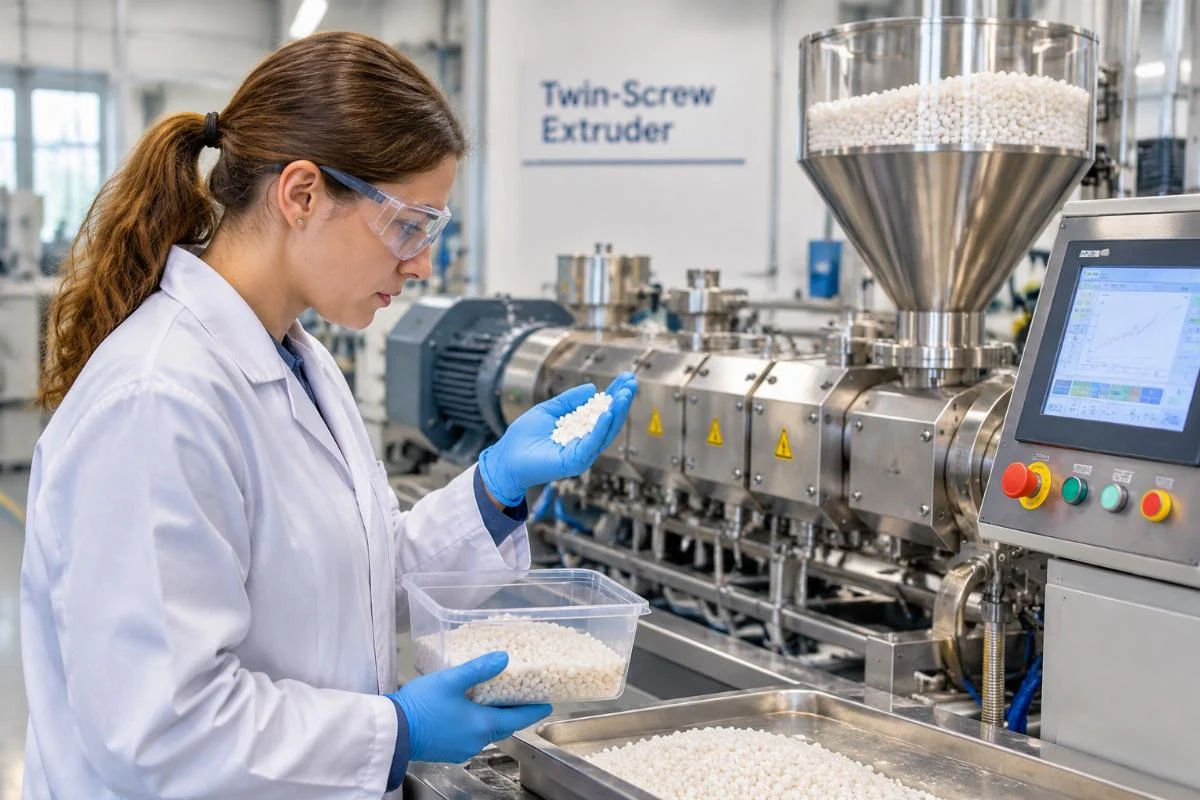
Standard screw profiles cannot gelatinize diverse local starches uniformly. When processing high-fiber sorghum or dense cassava flour, generic barrel temperatures and screw combinations leave the core undercooked while scorching the surface, leading to irregular puffing and poor flavor absorption. A multifunctional snacks and cereals production line manufacturer must map the specific gelatinization curve of your raw materials to prevent structural collapse during drying.
Integrating the Line into Your Processing Flow
Designing a multifunctional snacks and cereals production line requires mapping your facility's utility constraints and product sequence. We engineer the layout to connect mixing, extrusion, and seasoning stages logically, ensuring smooth material transfer. Whether you need an OEM setup for contract manufacturing or an ODM configuration for proprietary recipes, the entire flow is validated through physical trials using your exact ingredients.
Navigating Raw Material and Processing Variables
Local grain variations dictate moisture absorption and melt viscosity during extrusion. High oil content in certain nuts or seeds alters the friction inside the barrel, requiring precise barrel zone adjustments to maintain consistent dough texture. Achieving the correct moisture level before drying prevents case hardening, while selecting the right die geometry ensures uniform shape retention for loops or balls. Frequent recipe changes demand quick die swaps and thorough cleaning protocols to avoid cross-contamination between sweet and savory batches. The chosen heating source directly impacts the thermal profile required for proper toasting and flavor setting.
Core Processing Segments Explained
The mixing stage ensures uniform distribution of micro-ingredients before the material enters the main extruder. Inside the twin-screw extruder, the Alloy 38CrMoAL screws generate the necessary shear and heat to cook the dough under high pressure. Upon exiting the die, the rotary cutter shapes the continuous strands into specific lengths for corn sticks or cereal loops. The multi-layer dryer then reduces moisture using a stainless steel mesh belt with adjustable transit speed, ensuring even heat penetration without burning the surface. Finally, the flavoring drum applies oil and seasoning evenly through a spraying system, coating every piece for consistent taste.
Hidden Costs of Misconfigured Processing Lines
Running untested recipes often results in dense, sinking cereal pieces that fail to float in milk or toast evenly in the oven. Inconsistent drying leads to moldy stock in the center of larger granola clusters, ruining entire batches. Poorly matched die and cutter combinations produce irregular shapes that jam automated packaging machines, creating a severe bottleneck section. Excessive oil application from uncalibrated spraying systems leaves oily chips that degrade shelf life and ruin the product's visual appeal.
Sourcing from a Dedicated Testing Facility
We test every local raw material in our workshop to prevent the dough texture failures that cause uneven flaking and poor toasting. Our engineers adjust the screw configuration and die plates based on your specific recipe rather than relying on generic presets. You can witness the physical trial of your ingredients before shipment, ensuring the multi-layer dryer transit speed matches your target moisture content. We provide complete turnkey integration, guaranteeing that the flavoring drum and seasoning line are calibrated for your exact oil viscosity. Every system is run and validated in our dedicated testing workshop to eliminate on-site commissioning guesswork.
Documentation & Delivery
- CE certificate and ISO 9001:2015 quality management records
- Factory test-run video using your specific raw materials
- Detailed packing list and export customs documents
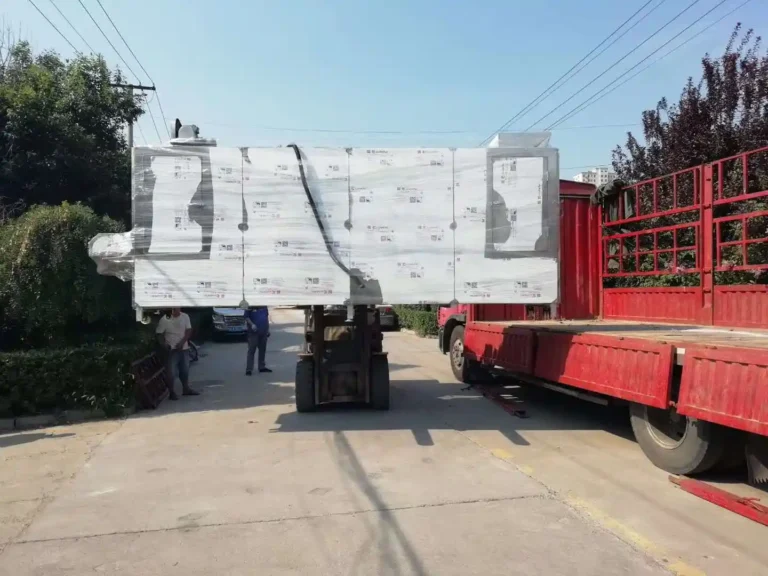
- Export wooden crates with anti-rust and moisture protection
- Third-party inspection reports upon request
Installation, Utilities & Maintenance
- Confirm power supply and voltage compatibility for the PLC/MCC control cabinet
- Route steam or gas piping correctly for the multi-layer dryer heating method
- Allocate sufficient floor layout space and ceiling height for the dryer stack
- Connect clean water and compressed air lines for the flavoring drum spraying gun
- Schedule regular die and cutter blade replacement to maintain shape precision
- Conduct periodic screw element wear checks and dryer mesh belt cleaning
Requesting Your Custom Line Proposal
To receive an accurate line proposal and CAD/3D plant layout, please provide your target product shapes, desired hourly output range, and local raw material details. Specify your available heating source and factory voltage to ensure the twin-screw extruder and dryer are configured correctly. Once we review your facility dimensions and recipe direction, we will generate an itemized technical quotation and invite you to run a physical trial with your materials.
Frequently Asked Questions
Q: How do you determine the complete line configuration for different snack shapes?
A: The configuration depends on your target products and raw materials. We select specific screw profiles, die plates, and cutter types to achieve the desired shape, whether it is cheese balls, corn sticks, or cereal loops. The multi-layer dryer transit speed is then adjusted to match the specific moisture removal requirements of that exact geometry.
Q: Can the line process local raw materials like sorghum or cassava flour?
A: Yes, the twin-screw extruder handles various grains, but processing local flours requires adjusting the screw combination and barrel temperature profile. We test your exact raw materials in our workshop to ensure proper gelatinization and expansion, preventing the uneven textures that cause poor toasting or structural collapse.
Q: What is the difference between twin-screw and single-screw extruders for this line?
A: Twin-screw extruders provide superior mixing and self-cleaning capabilities, making them ideal for diverse recipes and high-moisture doughs. They offer precise control over shear and heat, ensuring uniform gelatinization for complex breakfast cereals and puffed snacks, whereas single-screw systems struggle with inconsistent local grain blends.
Q: How long does it take to change dies and cutters for new shapes?
A: Changing dies and cutters is designed for quick turnover to minimize downtime during frequent recipe changes. The process involves opening the extruder barrel, swapping the die plate and rotary cutter, and recalibrating the cutter speed. Operators are trained during on-site installation to perform these changeovers efficiently and safely.
Q: What is included in the on-site installation and operator training?
A: Our engineers handle the mechanical assembly, utility connections, and PLC parameter tuning for the entire line. Training covers daily operation, screw element wear checks, dryer cleaning, and flavoring system calibration. We ensure your team can independently manage die replacements and execute safe startup and shutdown procedures.

20,000 m²
Production base with test workshop
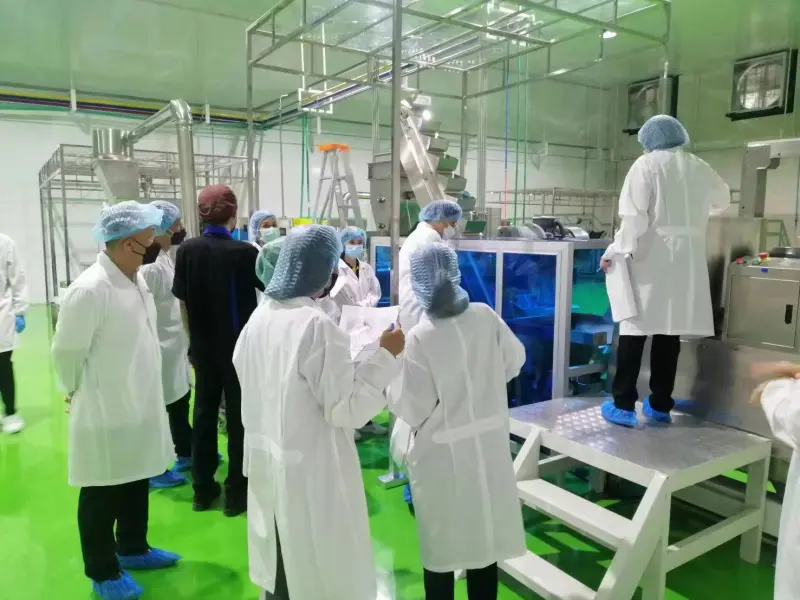
Factory Trial
Test This Machine With Your Own Raw Material
You can see your product come off the machine before you commit. Visit Jinan MT Machinery in Shandong, China, and run your own raw material on our equipment.
-
Factory trial runs
Bring your local raw material and check expansion, texture and shape on the machine in our test workshop.
-
Recipe testing
Our R&D team focuses on puffing technology and twin-screw extrusion, and tests your recipe against your target product.
-
Custom dies and screw combinations
Die design, screw combination, heating method and output are built around your product. OEM and ODM are supported.
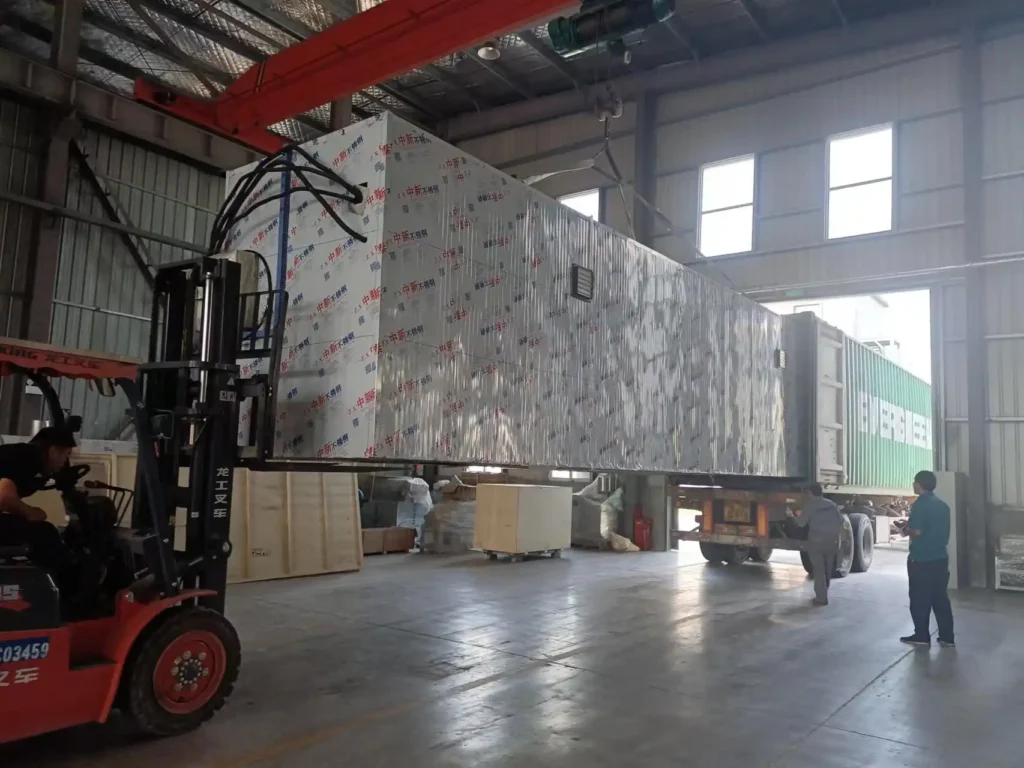
Delivery to Production
One Supplier From Crate to First Production Run
Jinan MT Machinery packs, installs, trains and supports every project itself, with equipment exported to 60+ countries and 1,000+ production lines delivered.
-
01 Export Wooden Crates
Rust-proof and moisture-proof packing. We help arrange export logistics.
-
02 Installation and Training
Engineers install and commission on site, then train your operators.
-
03 12-Month Warranty
Lifetime remote support by video, WhatsApp and email after commissioning.
-
04 Spare Parts at Cost
Priority dispatch at cost price, with parts supply for 10+ years.
Same Product Family
Related Machines
These machines share the same product family and can be planned into one integrated line.
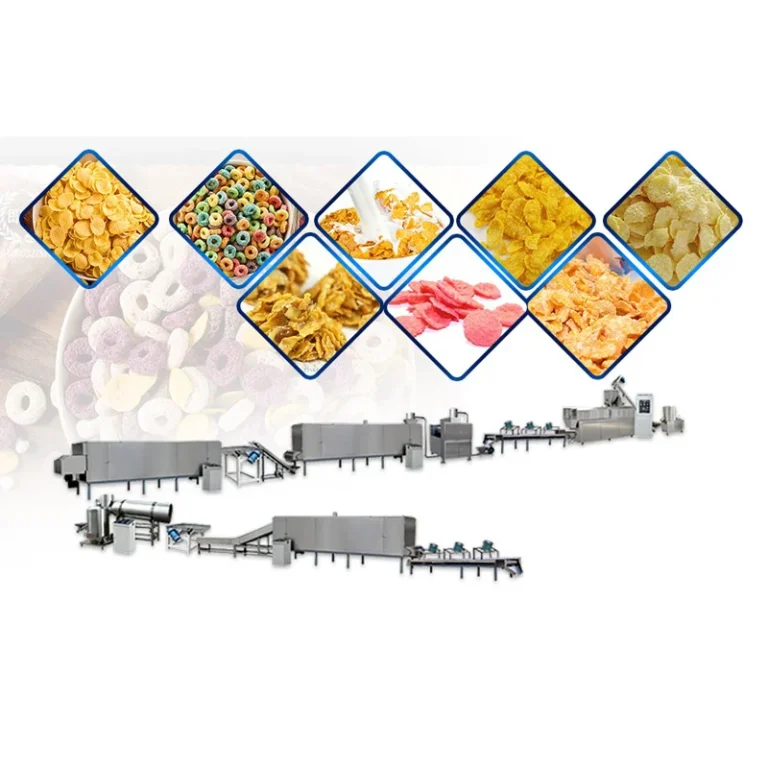 breakfast cereals machine Corn Flakes Making Processing Puffed Extruder Machine
 breakfast cereals machine Corn Puff Cereal Production Line Snacks Food Making Machine
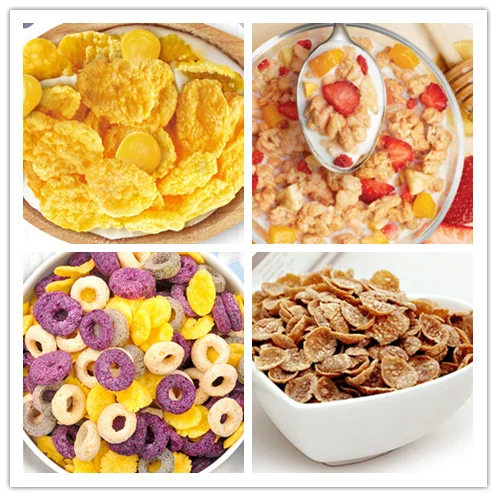 breakfast cereals machine Corn Flakes Cereal Processing Machine Manufacturer
 breakfast cereals machine Breakfast Cereal Corn Flakes Extruder Machine Production Line
Where It Runs
Applications for This Machine
This machine serves the product categories below, from breakfast cereals to snacks and nutrition foods.
 Breakfast Cereals Cereal and breakfast food plants use twin-screw extruders, flaking rolls, toasters, coating drums and coolers to make corn flakes, cereal rings, cereal balls and… breakfast cereals machine · corn flakes machine
 Kids & Nutritional Foods Children's food and nutrition brands use extrusion, drying, coating and packing equipment to make fun-shaped cereals, puffed snacks and grain-based products with tailored recipes.… breakfast cereals machine · corn flakes machine
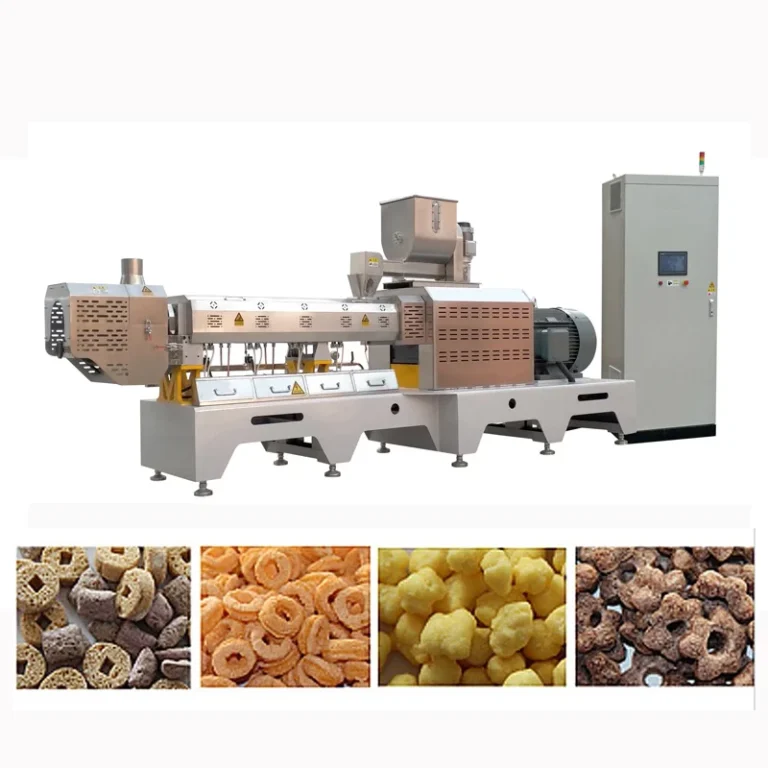 Puffed Snack Foods Snack factories and contract manufacturers use twin-screw extruders, die and cutting assemblies, dryers and flavouring drums to produce corn puffs, cheese balls, corn sticks… breakfast cereals machine
FAQ
Questions Buyers Ask First
Trials, lead times, payment and documents are the four points buyers confirm with Jinan MT Machinery before ordering.
Can I test this machine with my own raw material before ordering?
Yes. You are welcome to visit our factory and run a trial with your own raw material. Recipe testing is available during the visit. Dies and screw combinations can be customized to your product.
What is the delivery time?
Common standard models are in stock and ship within 10 days. Custom configurations take 30–50 working days. Every line completes a full test run before shipment.
Which payment terms do you accept?
We accept T/T, L/C (usually at sight) and Alibaba Trade Assurance. PayPal is available for small orders and Western Union for sample orders. D/P and D/A are considered for long-term customers with good credit.
Which documents ship with the machine?
Each shipment includes a CE certificate, packing list, invoice and customs documents. CE certification follows Machinery Directive 2006/42/EC, and our quality management system is ISO 9001:2015. A third-party inspection report can be arranged.
How we pack and ship your order
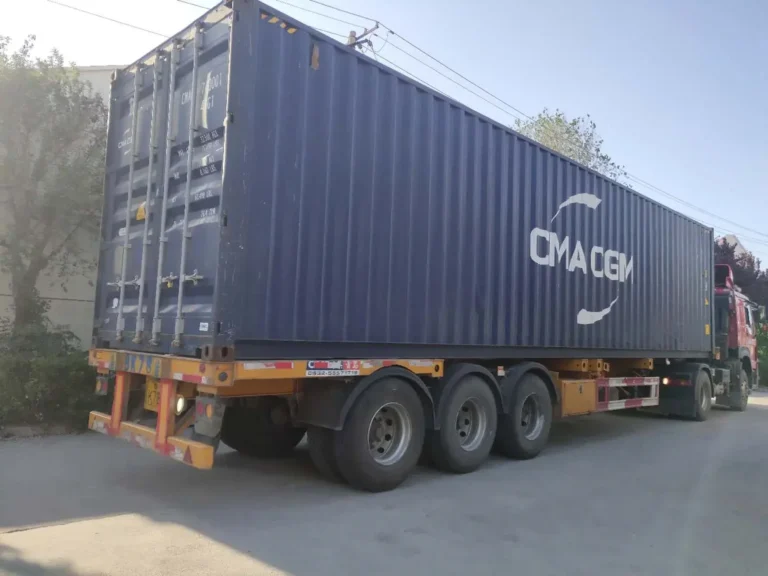
Export packing
Packed for international transport. Tell us if you need custom labels, marks or packing.
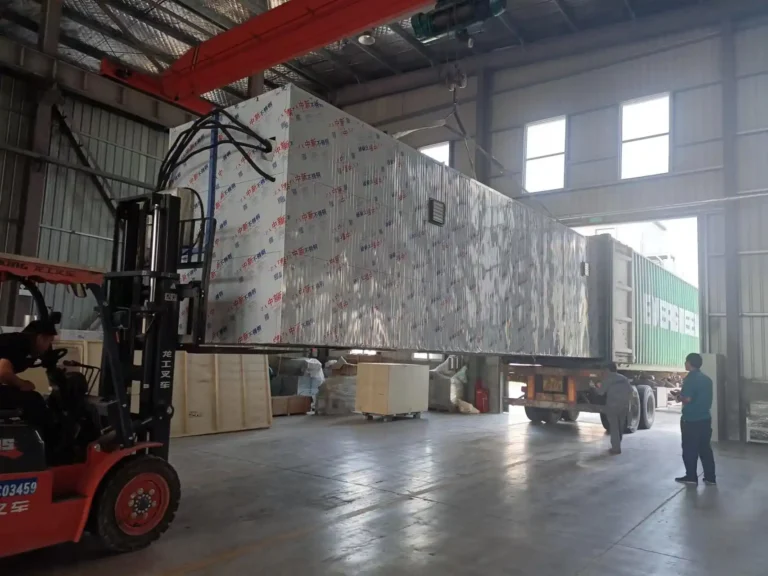
Shipping to you
Tell us your port or delivery address and we will quote the freight and lead time for your order.
Shipping documents
Commercial invoice and packing list come with every shipment; ask us for any other documents your customs needs.
What our customers say
“Corn flakes with consistent thickness and toast colour - our private-label client approved the first production run.”
“Corn puffs, cheese balls and rings from one extruder. We later added breakfast cereals on the same line with the cereal section.”
“Sugar coating and glazing are even with no clumping. Before, our coated cereal looked patchy in the bag.”
Technical Quotation
Get a Quote for Multifunctional Snacks and Cereals Production Line
We reply within 24 hours with an itemized technical quotation. Process consultation and CAD or 3D workshop layout are free.
- WhatsApp+86 186 1542 3372
- Emailmt@mtmachinery.com
- Response timeReply within 24 hours
- Export markets
- 60+
- Global customers
- 500+
- OEM partners
- 30+